From Frontier Pro to Terrano: the young designer shaping Nissan's next ideas

Lei Boyang, an exterior designer at Nissan Design China, first joined as an intern and has already helped shape vehicles that carry his ideas into the real world. From the Nissan Frontier Pro concept car and its production project to a key exterior design role on the Terrano PHEV concept car, his journey shows how a young designer learned to turn personal inspiration into shared design achievement.
When Lei Boyang arrived at Nissan Design China as an intern, he was still learning what it meant to work as a professional automotive designer.
At university, Boyang had been used to spending a long time perfecting a single sketch. Every line mattered. But inside a professional design studio, the challenge was different. Designers had to explore many possibilities quickly, explain the thinking behind them and work with people from different disciplines to make an idea stronger.
That shift, from polishing one drawing alone to developing ideas with a team, would shape Boyang's journey at Nissan. It would also help take his work further than he expected: from exterior proposals for the Nissan Frontier Pro concept car to a key design role on the Terrano PHEV concept.
From a young designer's sketch to Frontier Pro
For Boyang, Frontier Pro was not only a major project. It was proof that a young designer's idea could help shape a vehicle for the global stage.
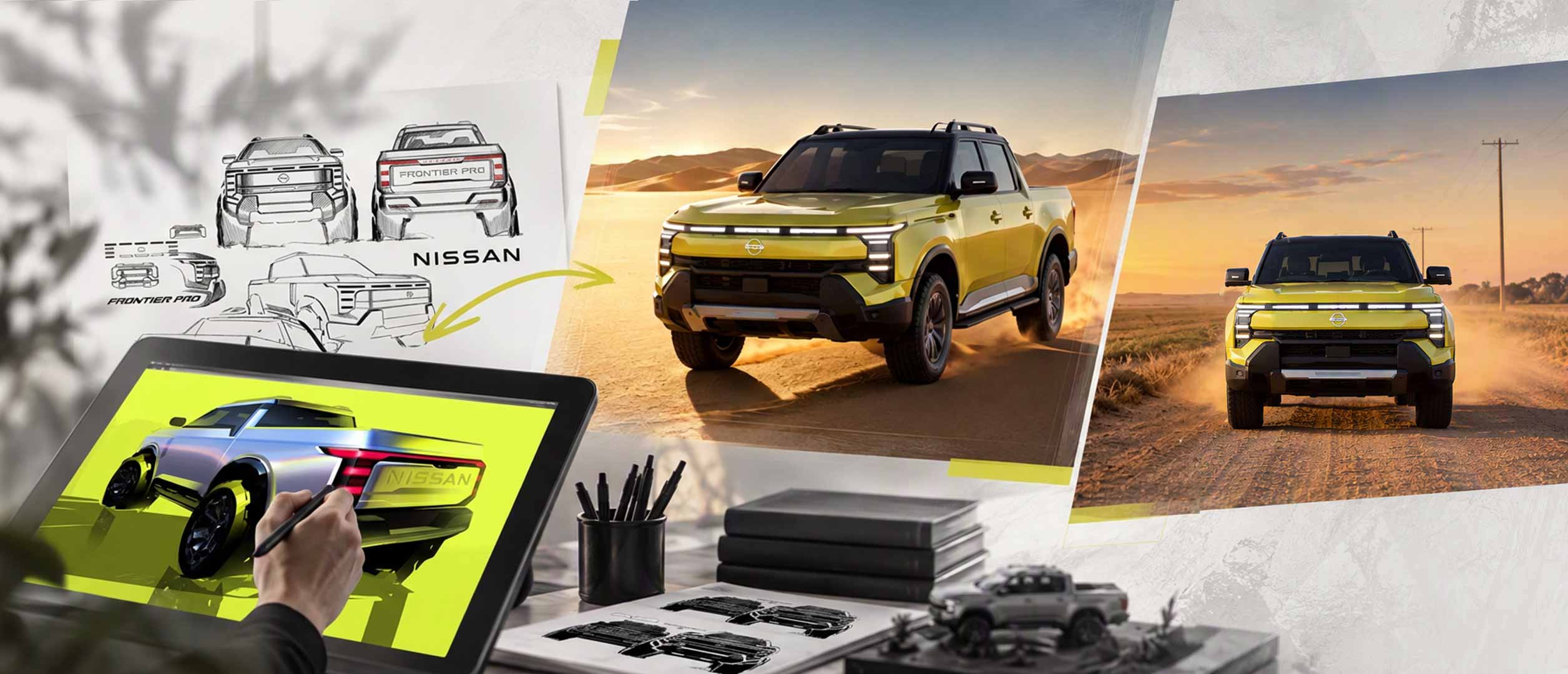
At the beginning of the Frontier Pro project, each designer developed a proposal for an internal design competition. Boyang's sketch was selected from among many ideas because it captured both the toughness expected of a pickup and classic Nissan design cues. For a vehicle planned to move from China to the world, that balance mattered. The proposal showed how a young designer in China could contribute a fresh point of view to Nissan’s global pickup design language.
But being selected was only the beginning. The real challenge was turning a two-dimensional sketch into a vehicle people could actually see, touch and experience. Boyang's front-end idea was built around two strong vertical headlights, inspired by the structural strength of a body-on-frame pickup. He also looked back at classic Nissan pickups, extracting the three air-intake elements and evolving them into three independent illuminated details. Together, these elements created a face that felt strong, modern and connected to Nissan's heritage.
His aim was to design more than a cold machine. Through details such as the gun-gray lower bumper and functional exterior elements, Boyang wanted Frontier Pro to combine pickup strength, a sense of fashion and the latest technology. In his mind, every line should make the vehicle feel like a warm explorer: reliable, adventurous, and immediately inviting.
That same idea continued inside the cabin. Warm gray tones, inspired by desert rock layers shaped by wind and sand, gave the interior a solid and calm foundation. Yellow accents brought in the warmth and vitality of a sunset over the Gobi Desert, while titanium details suggested both technological precision and bold innovation. The result was an interior designed to feel ready for outdoor exploration while still offering comfort, quietness and a premium sense of ease.
The first opportunity
An internship turned an ambition that once felt distant into real project experience.
Boyang's interest in automotive design started with a simple impression. As a student, he watched car designers sketching bold, forward-looking vehicles and thought the profession looked exciting. Nissan Design China, however, seemed prestigious and almost out of reach.
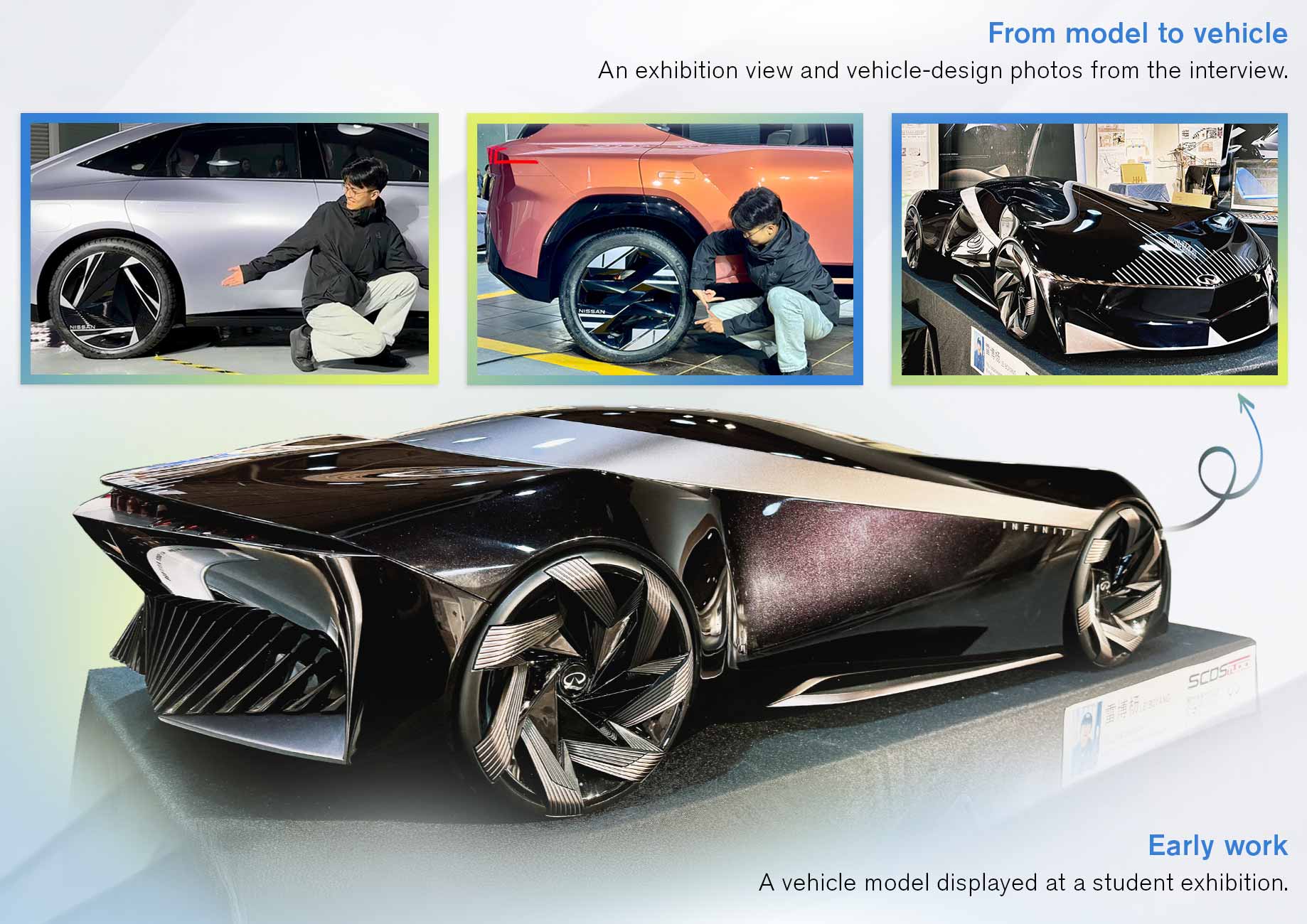
That changed when he got the opportunity to join Nissan Design China as an intern. Soon after joining, Boyang was invited to contribute ideas to a concept-car project. For the first time, his sketches were considered for a real Nissan vehicle.
- "The leaders at Global Design Center commented on my proposal, which was unforgettable experience for me. That was the moment I began to see myself as an automotive designer."
Learning to think faster
The biggest early challenge is knowing when to stop refining and keep exploring.
As a student, Boyang had been used to polishing each sketch until it felt complete. In the studio, he learned that early ideas do not need to be perfect, they need to open up possibilities.
Senior colleagues showed him how to separate ideation from refinement. First, use simple, confident lines to capture the core idea. Then, once the direction is clear, improve the surfaces and details.
The lesson changed more than his drawing speed. It helped Boyang become more comfortable sharing unfinished ideas, listening to feedback and allowing a design to evolve through discussion.
- "Senior designers don't just criticize. They guide you, encourage you and give you room to grow."
Boyang's creative lens: What enters the sketchbook
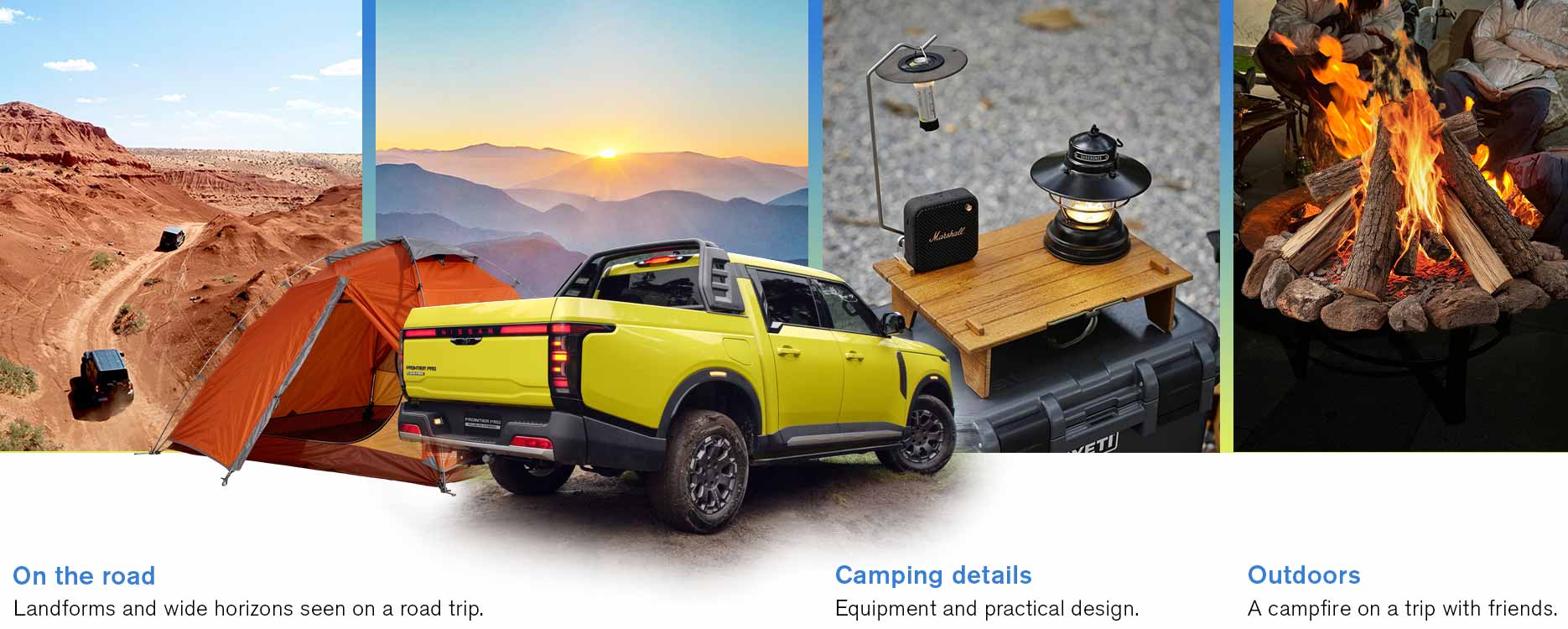
Outside work, road trips and camping give Boyang a library of shapes, materials and practical ideas that can later influence vehicle design. The depth of rock formations, the openness of distant horizons, the character of rugged landscapes and the practicality of camping equipment all serve as sources of inspiration.
A sketch moves forward
During the Terrano show-car project, Boyang's proposal was selected and retained through the final stage.
The Terrano project gave Boyang the opportunity to apply what he had been learning. His proposal established the main exterior idea: a square and stable stance, strong horizontal lines and wide shoulders.
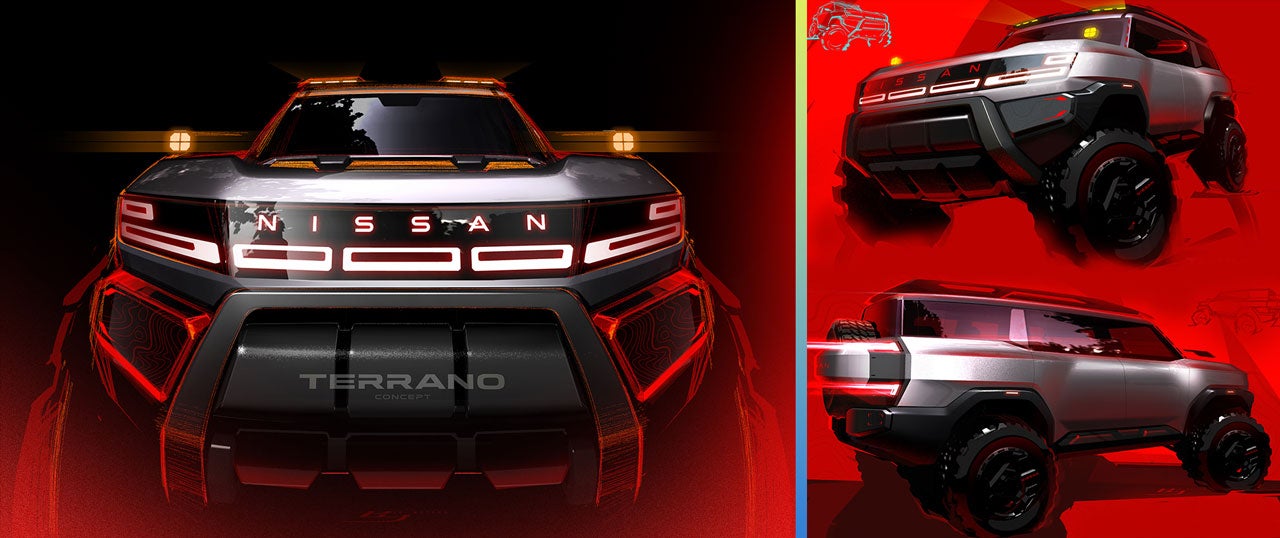
The aim was to create a vehicle that looked dependable and upright, while still feeling open, distinctive and approachable. But selection was not the end of the design process. It was the beginning of a much larger collaboration. Leaders, exterior designers, CMF specialists (color, material, finish), engineers and modelers discussed how to retain the feeling of Boyang’s key sketch as the design became more detailed and technically developed.
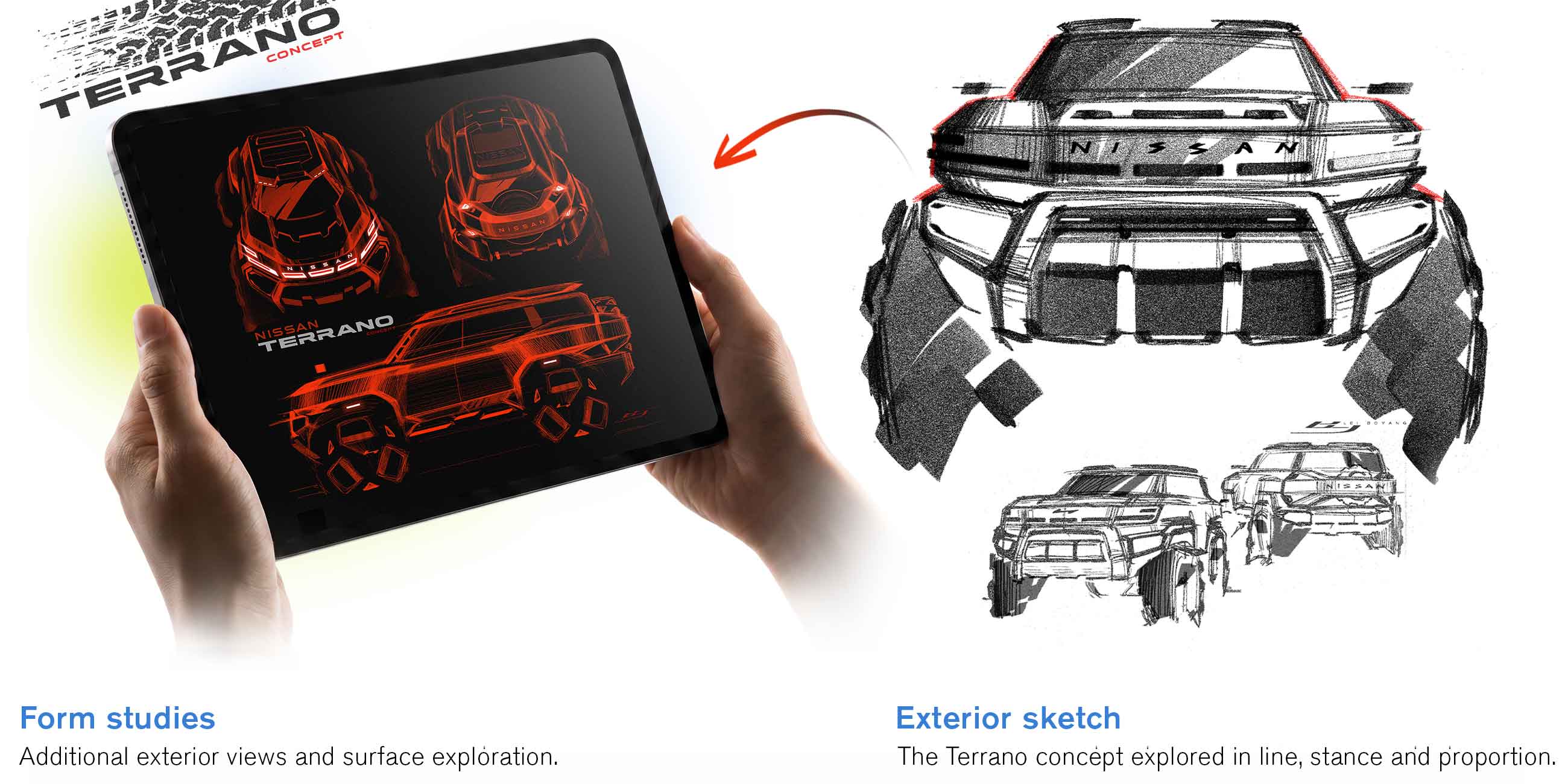
- "It was no longer just my idea. The process turned a personal sketch into a shared achievement."
The Terrano's lava-orange color was inspired by natural landscapes such as the Red Canyon in western China, giving the vehicle a more adventurous, outdoor character. For Boyang, choosing such a bold color also reflected the creative freedom he found in the project: the chance to explore a strong idea, then shape it together with the team.
When asked how he would describe the vehicle if it were a person, Boyang pictured someone upright, principled, cheerful and generous, with a strong presence and a refined exterior.
He brought that personality to life through the vehicle's proportions and design language: a square, stable stance, strong horizontal lines and wide shoulders to express reliability; a bright, open front face to feel approachable; and a bold but refined silhouette, lighting, colors and materials to make it distinctive.
Seeing the concept in physical form changed Boyang's understanding of design responsibility.
What began as a sketch had become something people could stand beside, look at and experience. It reminded him that design is not only about creating an idea, but about shaping something that others can connect with.
- "I want people to feel that it is not just a machine, but a reliable and adventurous companion."
A view that keeps Boyang looking both ways
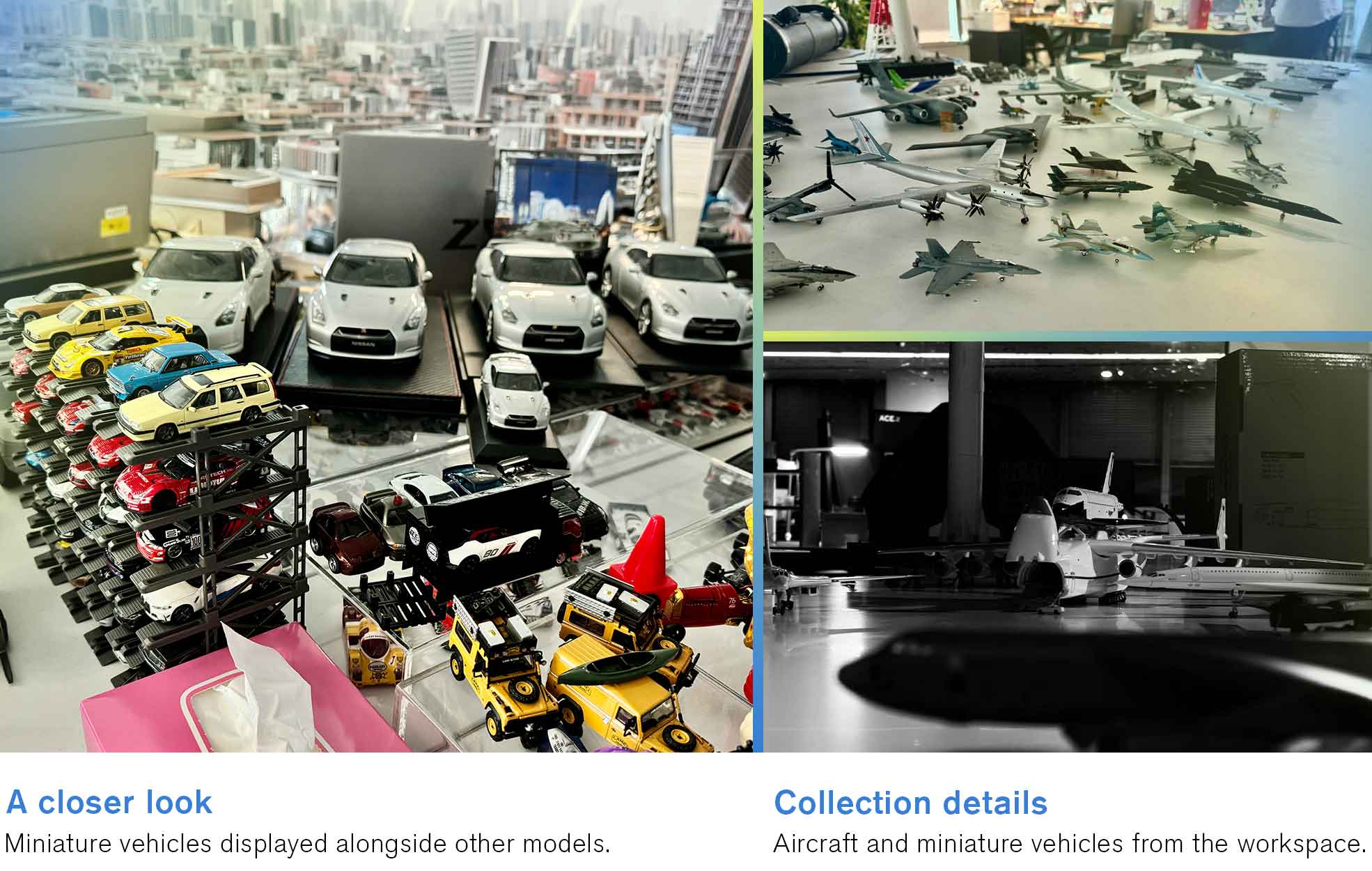
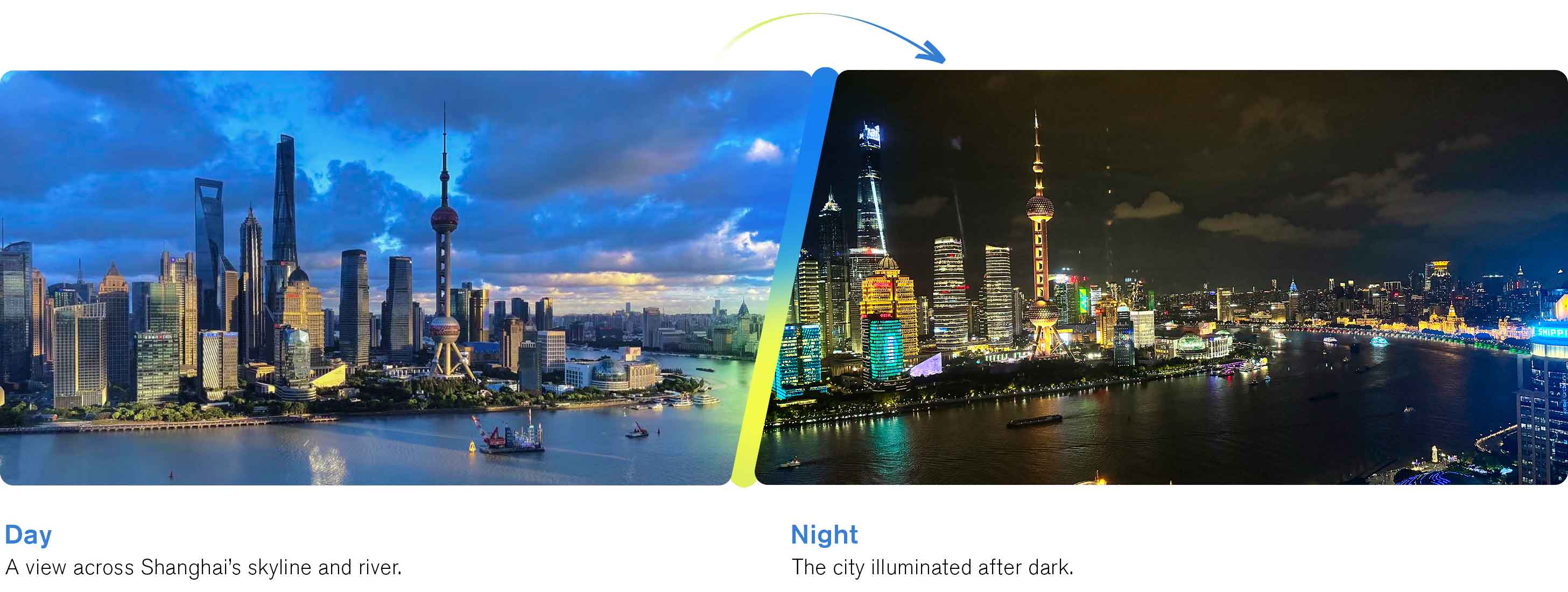
From the Nissan Design China office, Boyang can see Shanghai's Lujiazui skyline and the historic architecture of the Bund. The view brings modernity and history into the same frame.
It is a fitting reminder of the designer becoming someone who draws from personal experience, learns from the people around him and looks for ways to connect different influences in one clear idea.
For Boyang, Nissan Design China is "a place where I am trusted to explore, inspired to grow and supported to turn ideas into real cars."
Boyang also sees Nissan Design China as a team that can bring a distinctive perspective to regional and global projects: China speed, young creativity and strong insight into EVs, smart technology and young consumers. For him, this can help Nissan create designs that are globally recognizable but locally relevant design.
A little more about Boyang
|
Ideal weekend A self-driving trip and camping with friends |
Unexpected design reference Modular, durable camping equipment |
|
First priority in a sketch Proportion, stance and character |
What keeps him motivated Seeing an individual idea become a shared, physical result |
|
Ideal weekend A self-driving trip and camping with friends |
Unexpected design reference Modular, durable camping equipment |
|
First priority in a sketch Proportion, stance and character |
What keeps him motivated Seeing an individual idea become a shared, physical result |